
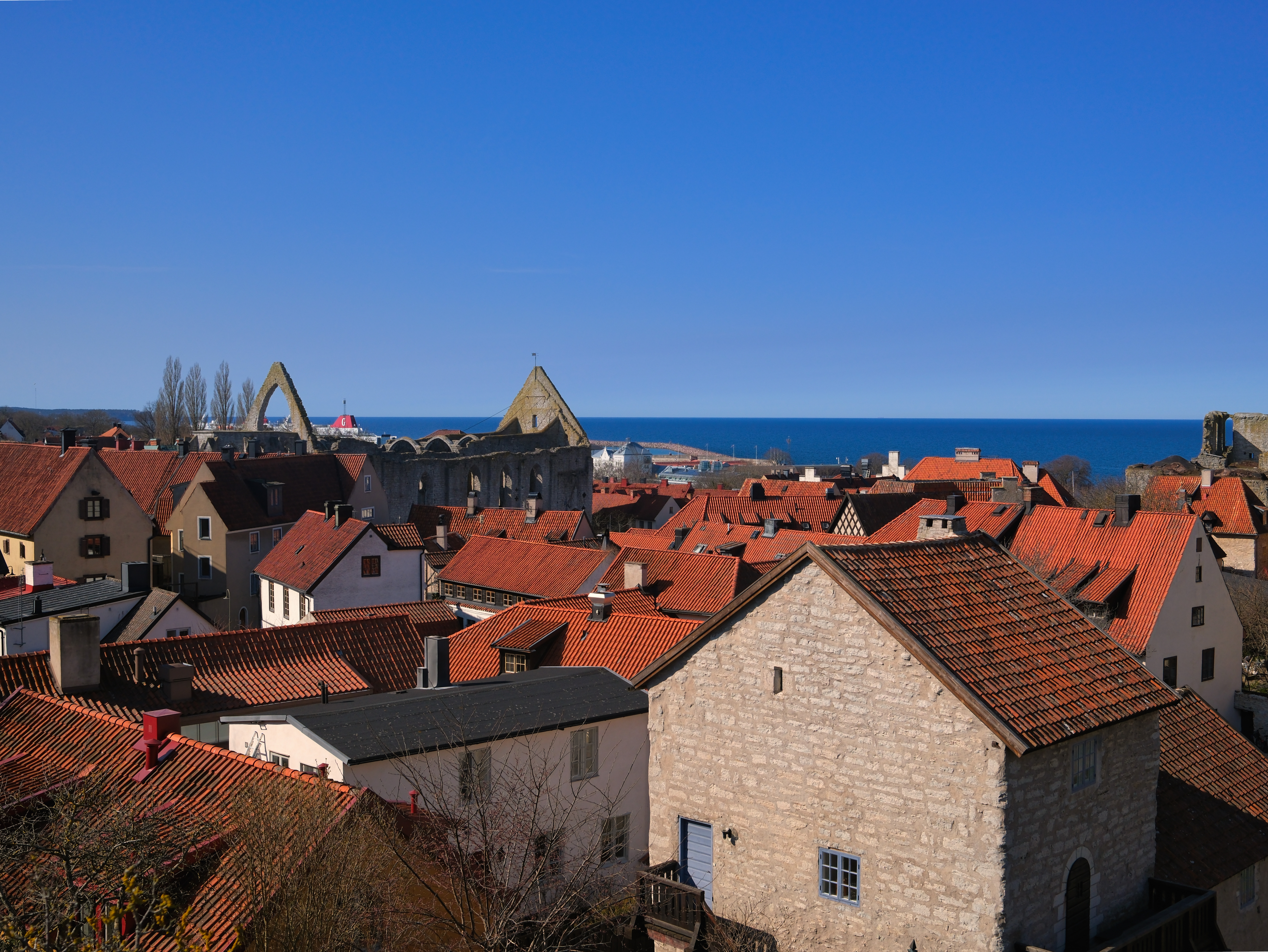
Medieval walls, atmospheric ruins, and pebbled alleys lined with beautiful houses, Visby seemingly comes straight out of dreams. Since its heyday in the 14th century, this well-preserved port town has lured scores of artists and craftspeople, including Studio Ghibli’s famous director Hayao Miyazaki.
In the summer of 1971, a Japanese animator named Hayao Miyazaki embarked on his first trip abroad. His destination was Sweden: a land of elegant beauty, with charming old towns and distinctively peaceful landscapes. He was excited by Stockholm’s splendid architecture, but even more mesmerized by Visby’s medieval town. Nearly two decades later, Mr. Miyazaki and his team at Studio Ghibli presented an animated film named Kiki’s Delivery Service, with the extraordinarily beautiful town of Visby as the main visual inspiration. It was a huge success, attracting audiences globally and receiving multiple awards.
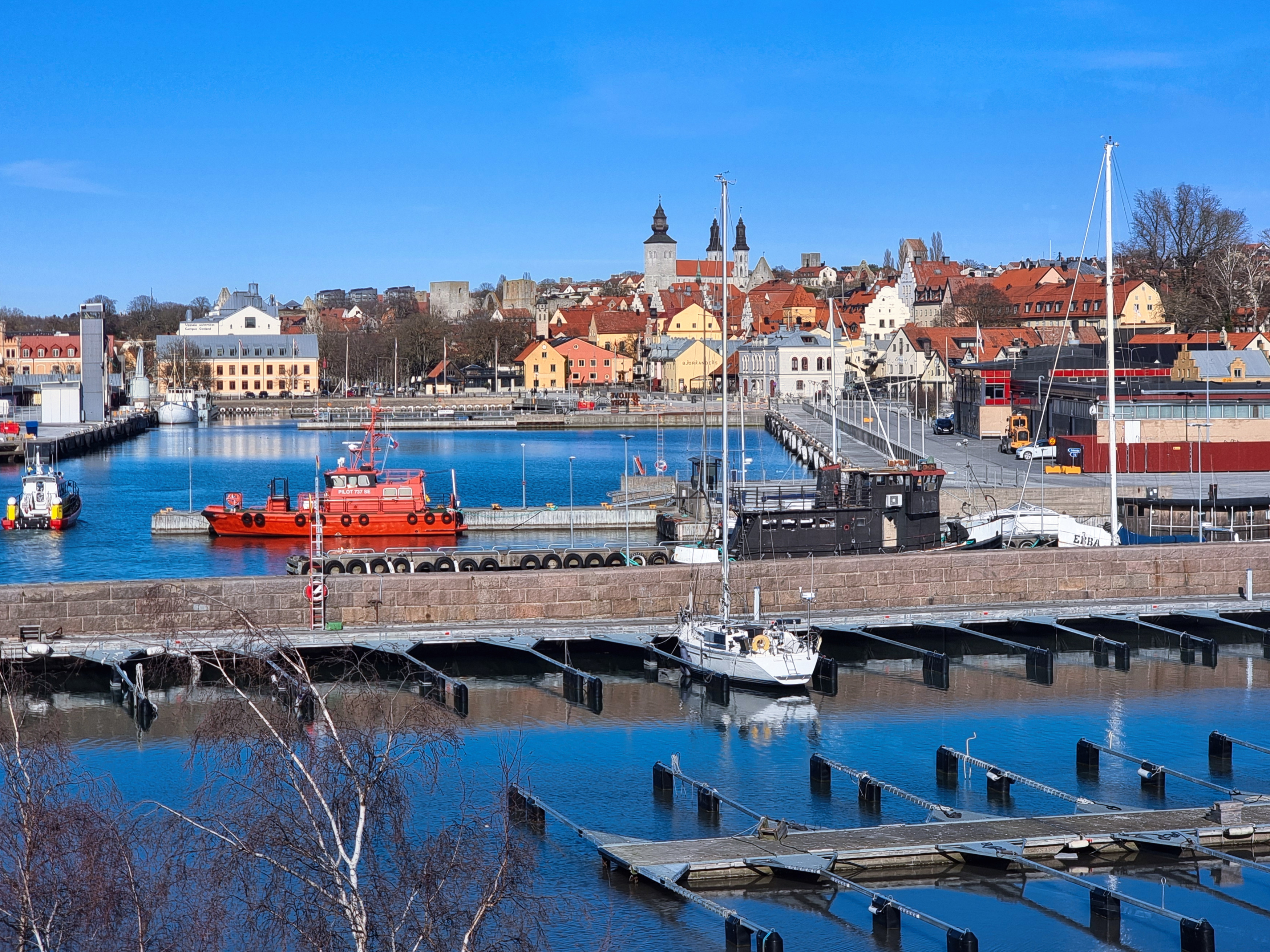
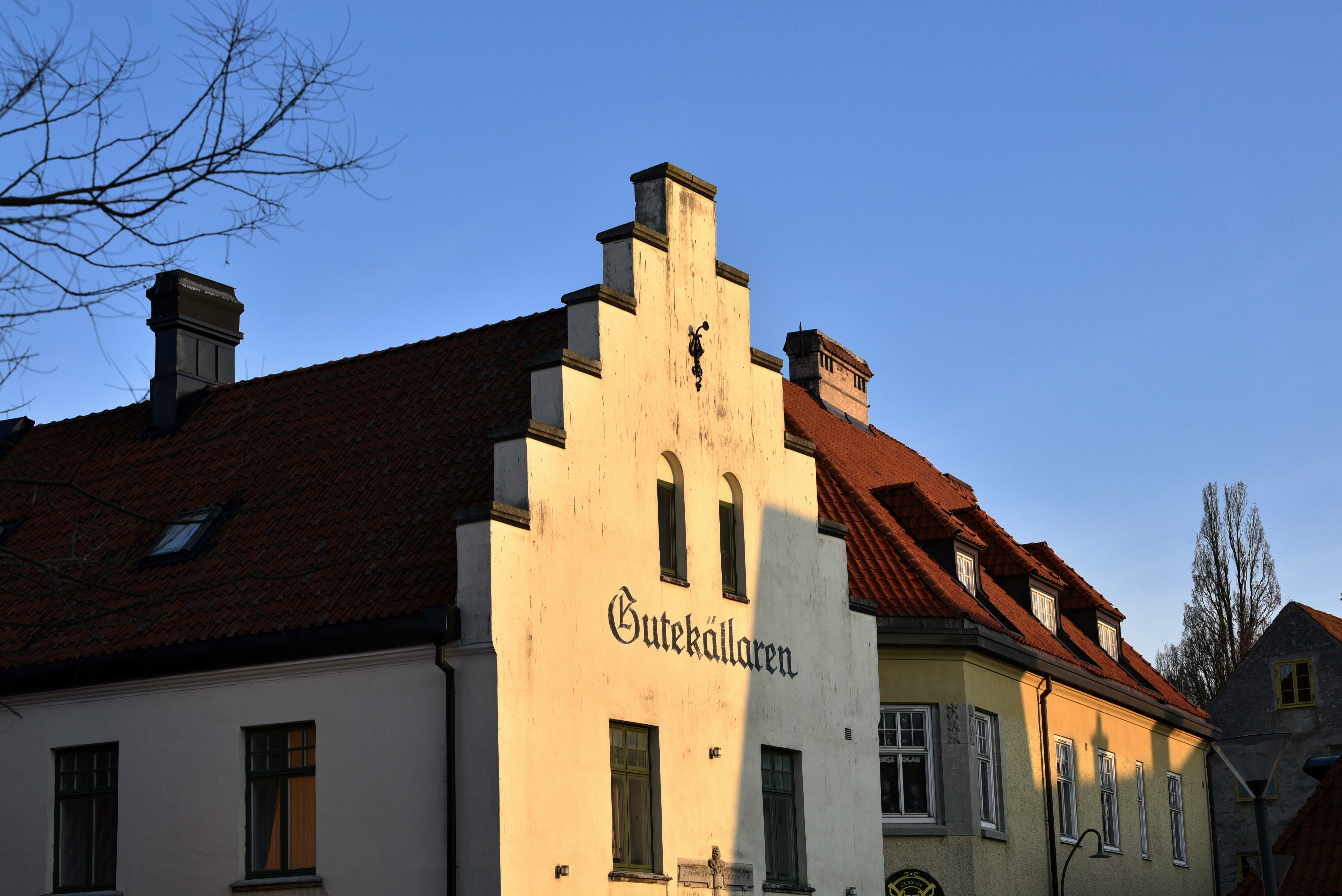
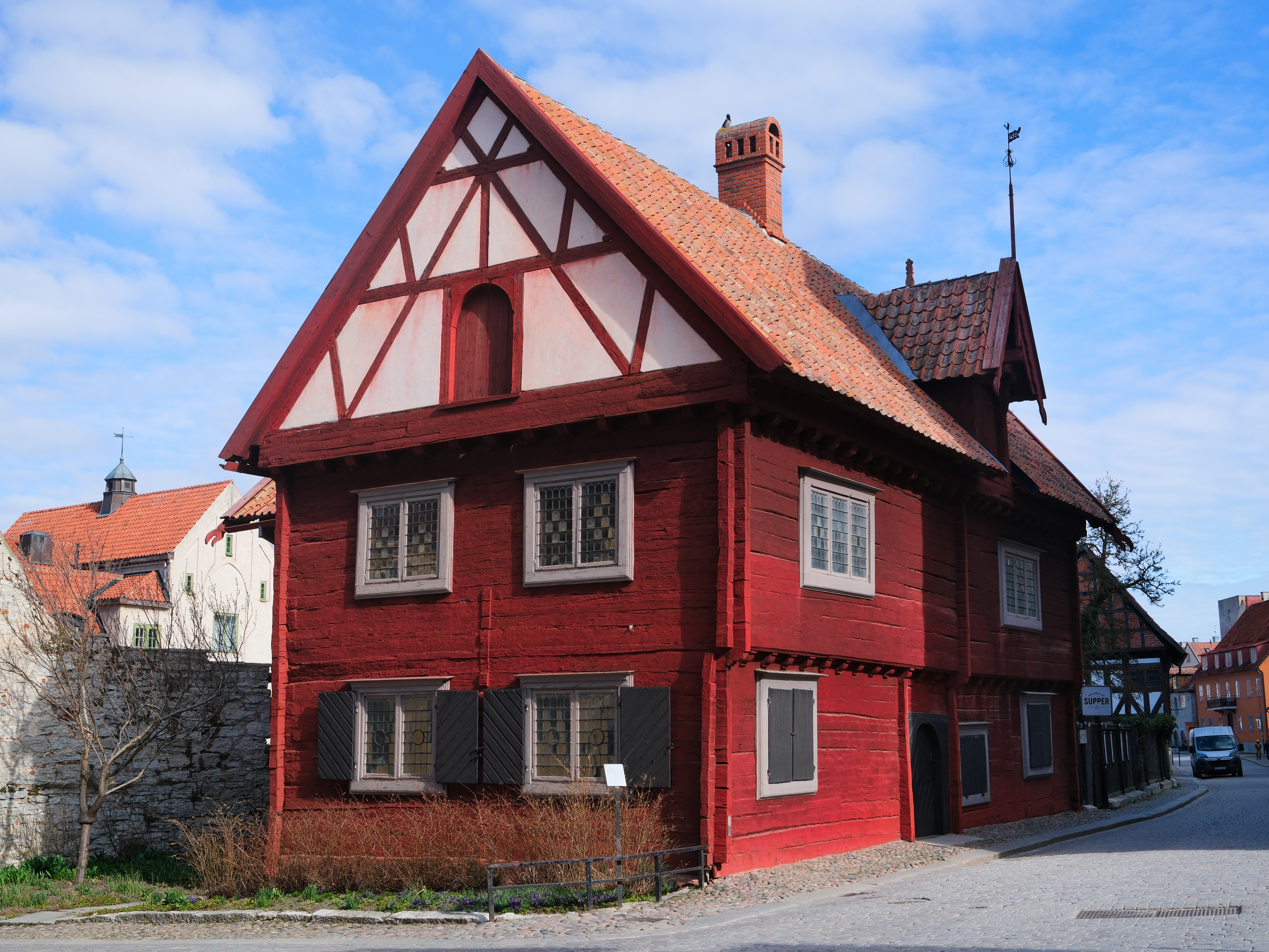
A hilly town filled with orange-tile-roofed houses, with stunning views over the blue ocean; that is how Visby is depicted in the movie. And exactly so it had come into my view, when the ferry approached the port of Visby. Although I only spent three days there, I was profoundly moved by this dreamy townscape, where medieval walls, stone-cobbled streets, and especially the rich history harmoniously blend into daily life.



Brief History of Visby
Located on the western shore of Gotland – Sweden’s largest island, Visby was inhabited as early as the Stone Age. Traces of this period were found on sites across the present-day town, yet they are no more than just some “beach huts”. During the Viking era, Visby grew into a permanent settlement due to its access to a natural anchorage, fresh water, and its strategic position in the Baltic Sea. The town only flourished as a commercial metropolis after joining the Hanseatic League in the 12th century, with all trading routes on the Baltic Sea channeling through it. Consequently, a large number of warehouses and wealthy merchants’ residences were built, followed by guildhouses, churches, and a massive stone walls that encircle the whole town.
By the late 14th century, the economy of Visby began to dwindle, first due to plague, then to warfare and piracy, forcing trading routes to bypass the town. The final nail in the coffin came in 1525, when Lübeck – the leader of the Hanseatic League – attacked and burnt down parts of the town. Since then, Visby has never reclaimed its function as a major trading hub. Instead, it reinvents itself as one of Sweden’s most popular tourist destinations thanks to its intact urban fabric, where cobblestoned streets, limestone houses, timeworn fortifications, and centuries-old churches will transport travellers back in time. In fact, it’s the best-preserved medieval town in northern Europe and has been designated as a World Heritage Site by UNESCO since 1995.

1. Visby City Wall
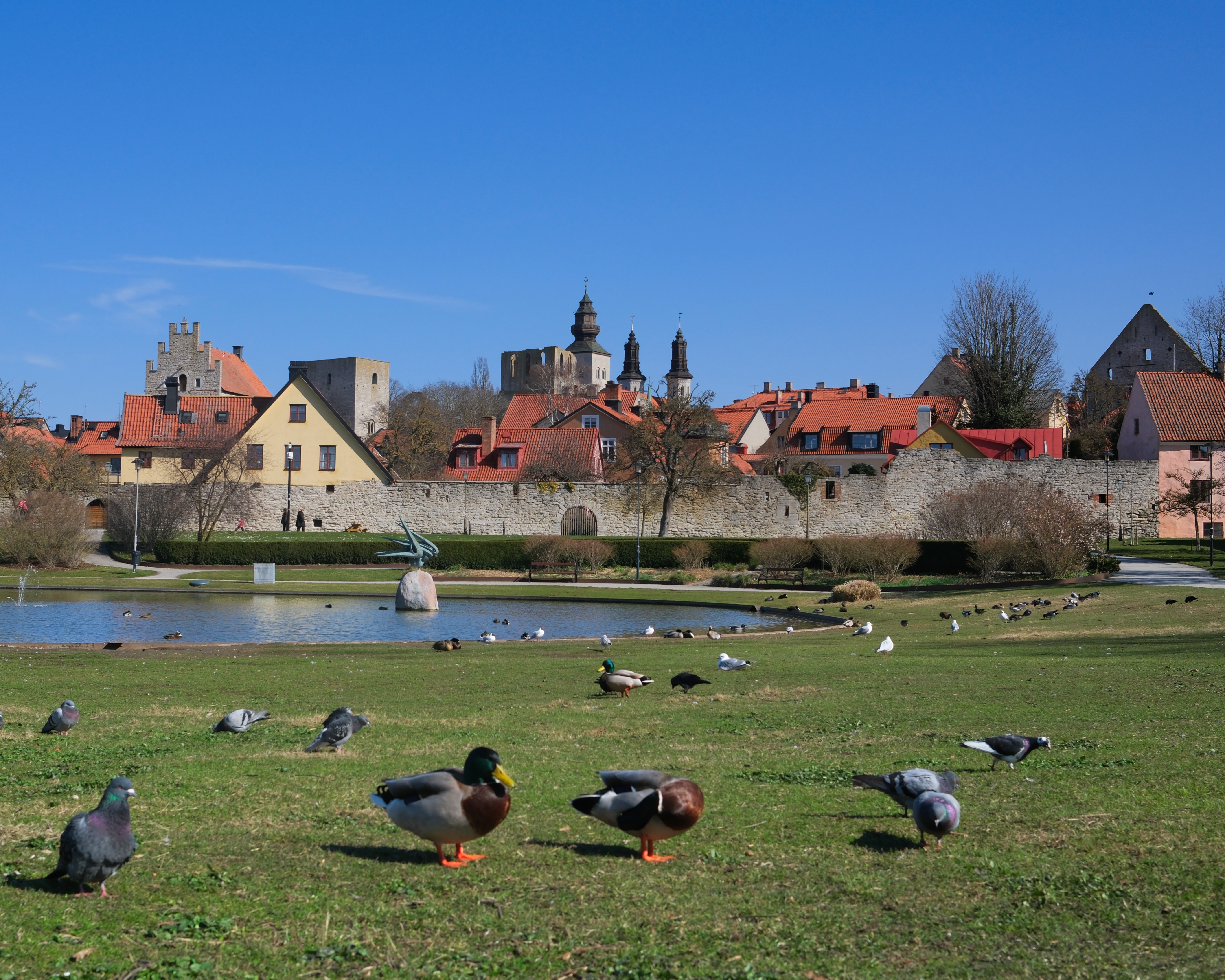
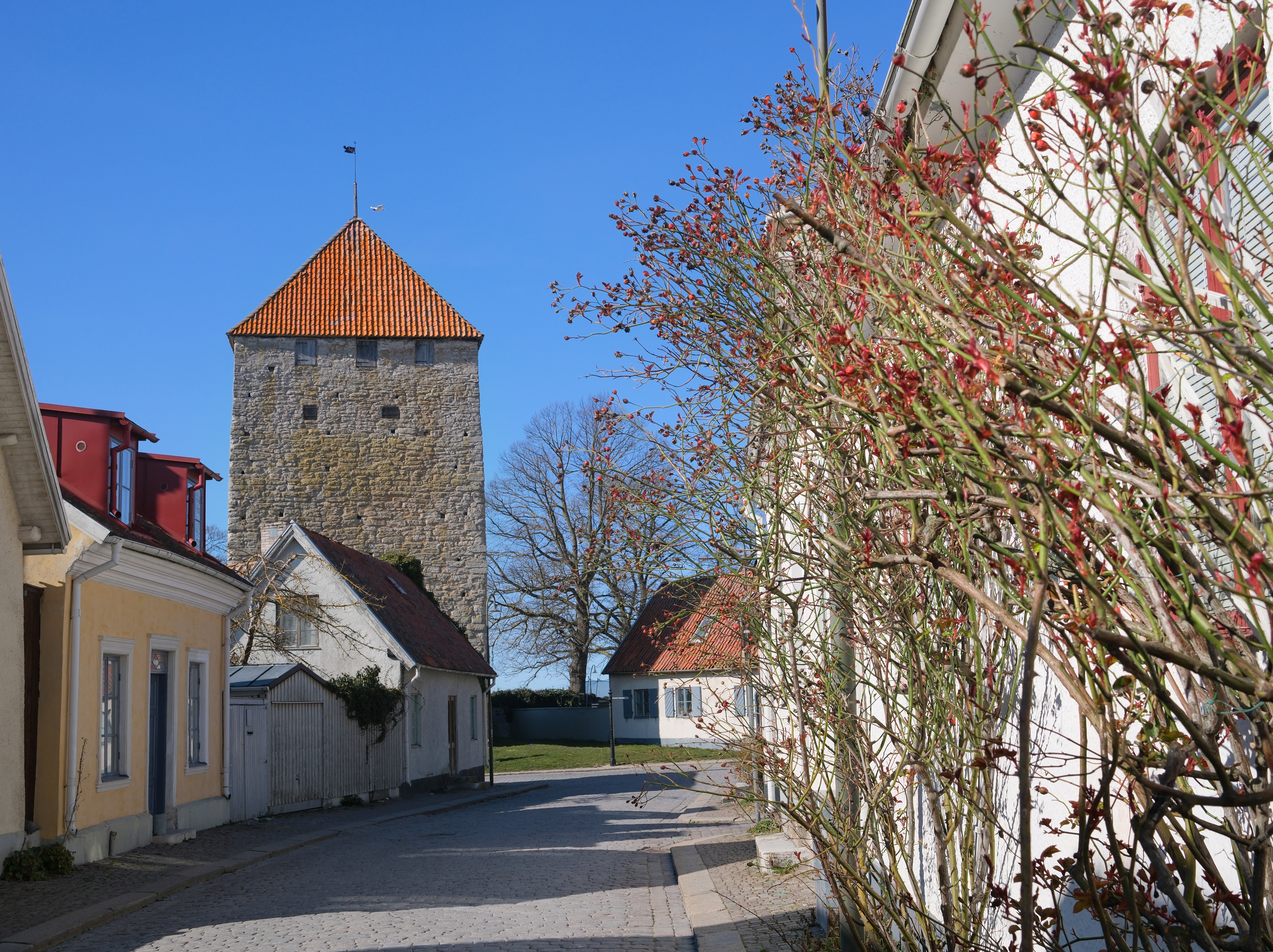
The economic deterioration in the Late Middle Ages unintentionally preserved Visby’s original medieval townscape. More than 200 warehouses and wealthy merchants’ dwellings, predominantly in Romanesque style, remain unchanged. So does the iconic Visby Ringmur, literally translated as “Visby Ring Walls”, with its 35 defensive towers and gates.
The well-preserved wall is Visby’s icon.
Stretching over 3.4 kilometers, this limestone wall was erected in the 13th century to protect the Hanseatic town against attacks from the countryside of Gotland, including rural farmers and foreign forces. The high wall was supported by dry moats and open spaces, allowing defenders to shoot at invaders from a distance. These days, the Ringmur offers a scenic walk around the historic core, as well as fantastic views over the orange-tiled rooftops and the Baltic Sea.
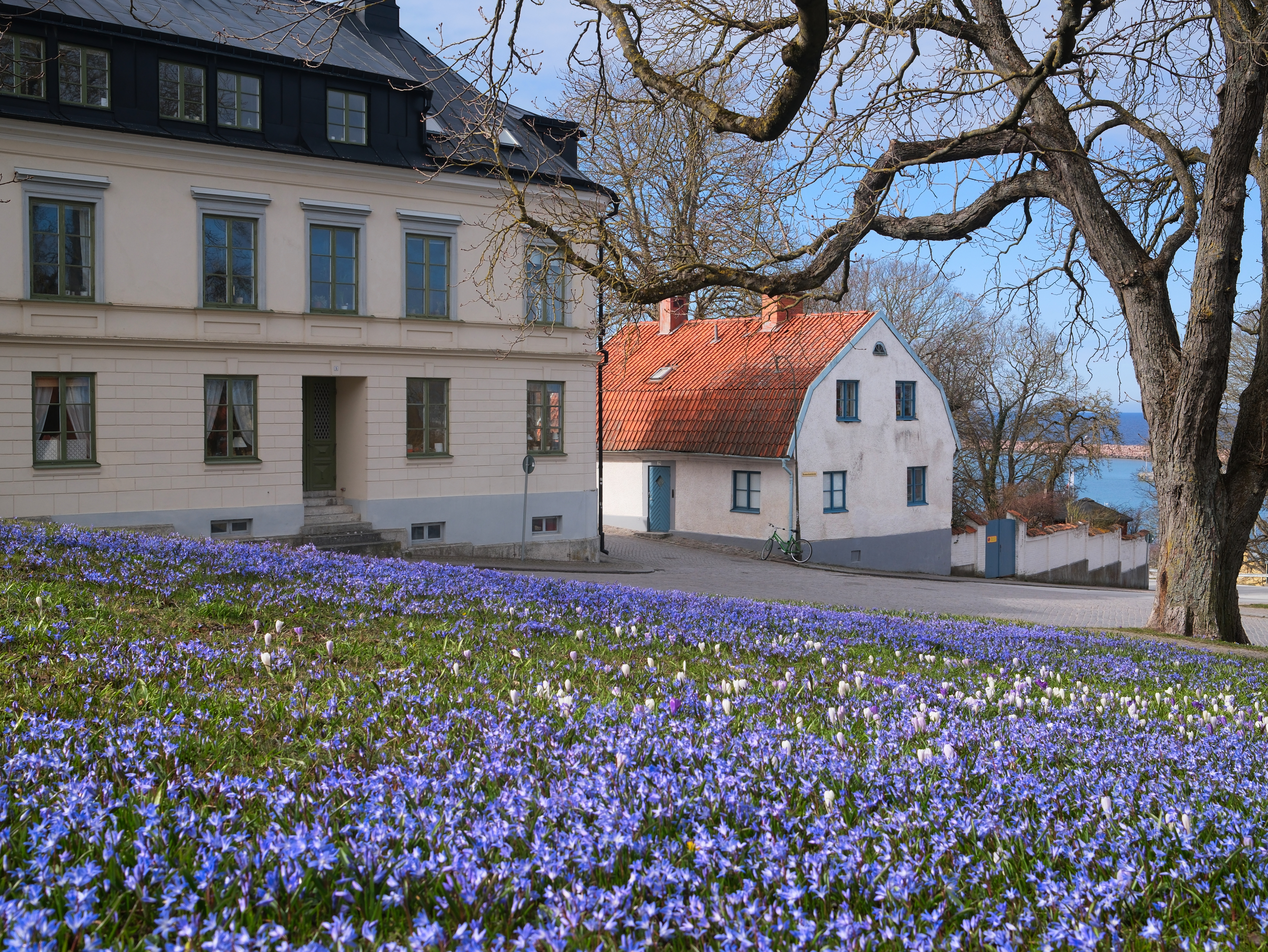
Visby’s medieval street plans also stand the test of time, with irregular patterns and entries into the old town running through the original stone gates. Some roads are really steep, rising from the harbor to higher areas, as they follow the island’s natural topography.


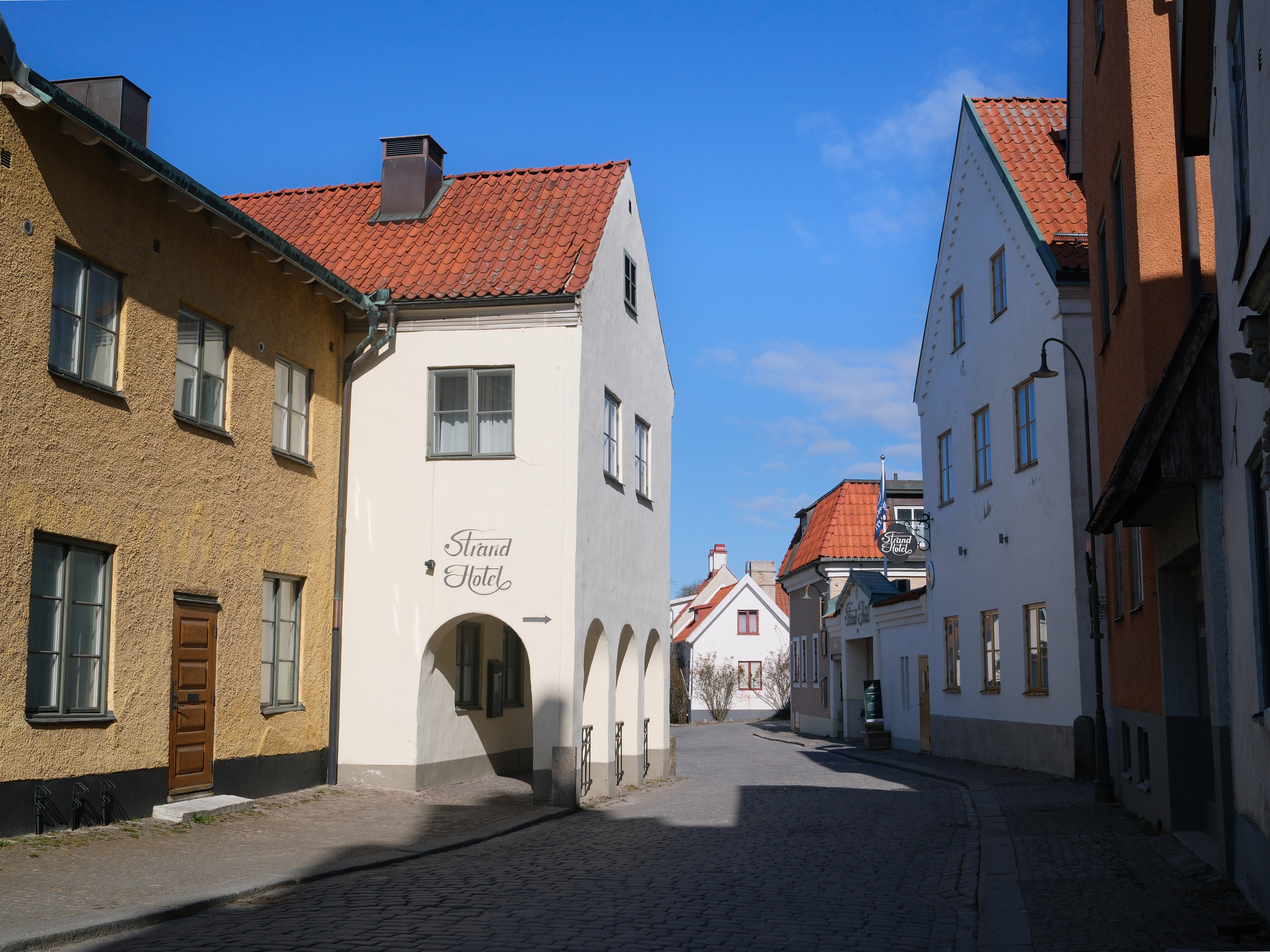


2. The Cathedral and Ruins
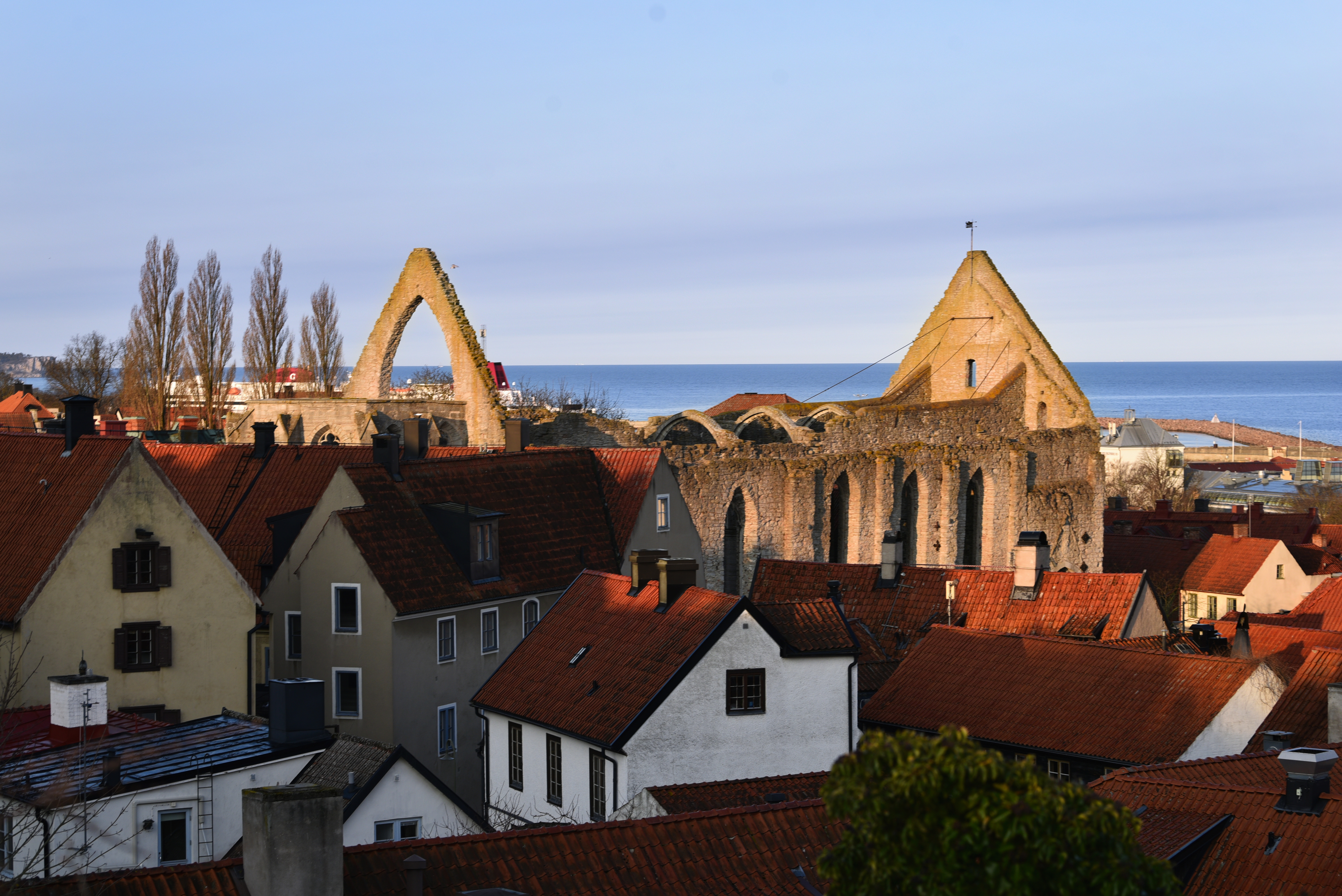
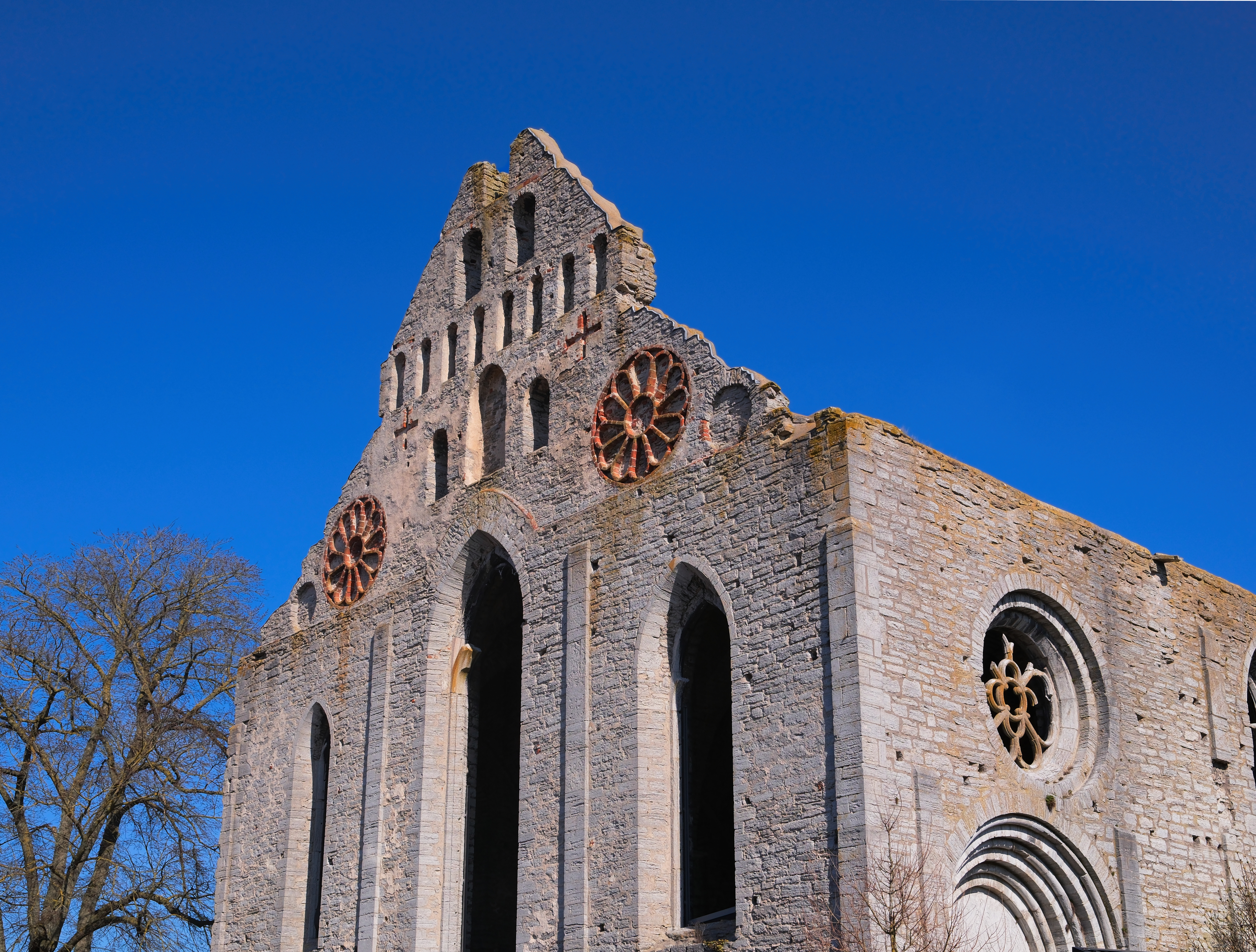
At the height of its wealth and influence, Visby had more churches than any other town in northern Europe, including fifteen within the walls and two outside. Some display Romanesque style, while others incorporate Gothic elements into their architecture. The churches served various purposes, such as parish, guild, monastic, and hospital churches. Most of them, however, were abandoned during the Reformation in the 1530s and afterward left to decay. Only Saint Mary’s Church survives, functioning as the cathedral of Visby.
Dedicated to the Virgin Mary, Visby Cathedral was erected in the late 12th century, initially as a wooden church of the German merchants visiting the town. It was reshaped into its current appearance in the next century, featuring a three-towered limestone facade, stained-glass windows, intricate stone carvings, and, interestingly, a hoist beam with a hook. The interior is equally impressive, but it’s rather dark due to the lack of open space in the nave, which cuts off the light. As the only remaining medieval church in Visby, the cathedral serves as a symbol of the town’s religious and cultural heritage.
Although other churches are now nothing but ruins, they are special in their own way. For example, Saint Catherine’s Church and Saint Clement’s Church still look spectacular with their soaring arches, doorways, and windows. Others, like the Saint Nicholas’ Church, with its elaborate front facade, find new life as venues for concerts and events. Meanwhile, the Saint Olaf’s Church, completely covered in ivy, has become an integral part of a magnificent botanical garden.
At its peak, Visby had more churches than any other town in northern Europe.



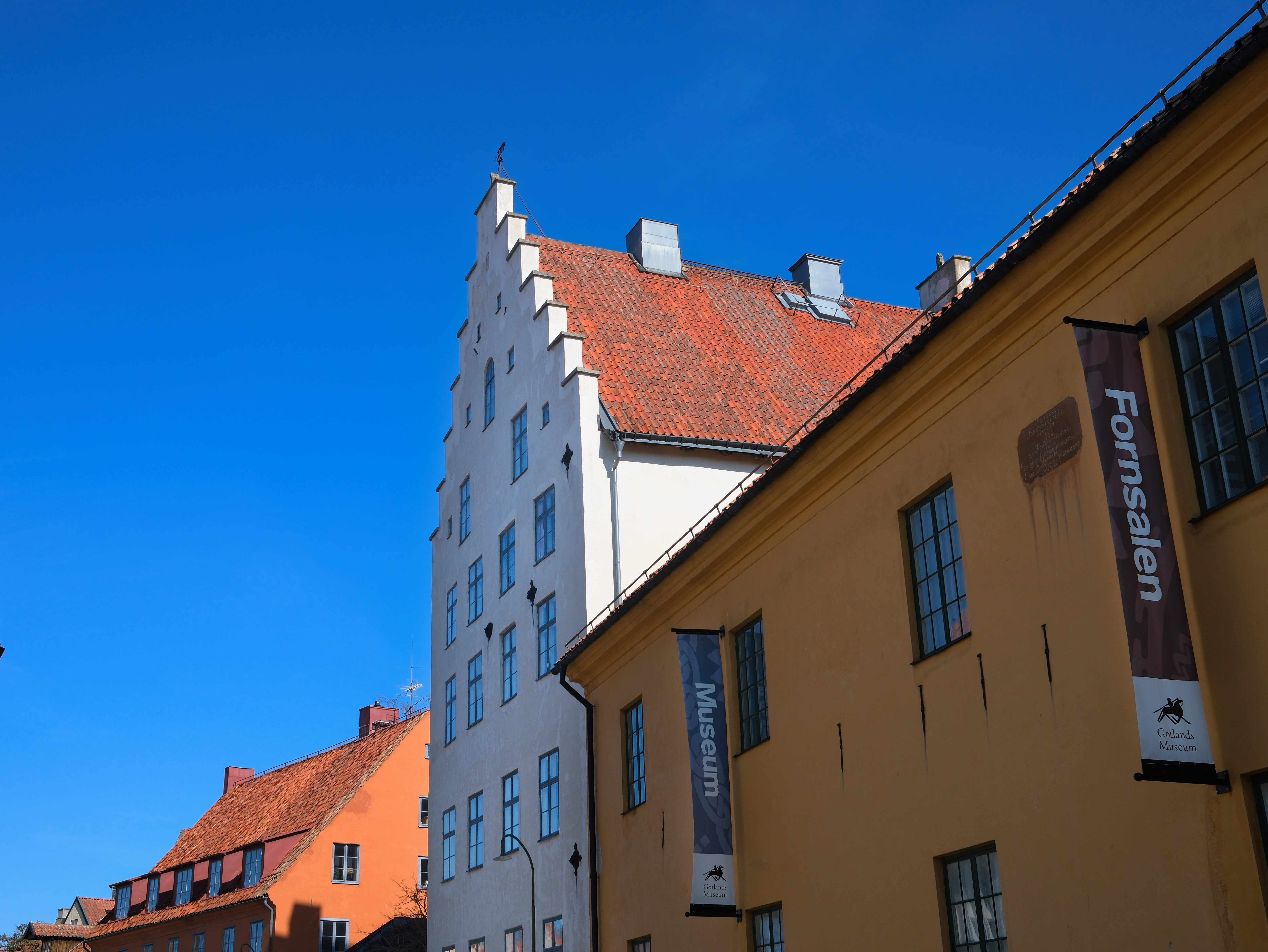
3. Gotland Museum Fornsalen
For those who want to delve deeper into the past, Fornsalen is the place to go. It’s the main component of the Gotland Museum, a network of exhibitions that contains artefacts and artworks not only from Visby but also across the island. The museum occupies a whole block of houses in the town center, comprising six traditional structures around a central courtyard. In the Middle Ages, this place was a center of trade, and one building was restored to show visitors the original interior of a 13th-century merchant house, complete with basements and storage facilities.
Meaning “Hall of Antiquities”, the Fornsalen displays 8,000 years of Gotland’s history, from the Stone Age to the Viking era, and through the medieval period. Highlights include the extremely rare Viking picture stones, colorful stone beads, wooden sculptures, and antiques. Yet they can easily be overshadowed by the Treasury, which holds the largest silver booty ever found in Europe, including 67 kilos of bangles and bracelets, and more than 14,000 coins. A small section of the museum is dedicated to fossils and coral reefs that were found in the island’s bedrock.


Tips for Visiting Visby
- From Stockholm, it’s easy to take a combination of regional train and ferry to Visby. Train 43 or 43X runs from Stockholm Central every half hour, with Nynäshamn as the last station. The trip takes about one hour. From there, it’s a 10-minute walk to the ferry terminal.
- Operated by Destination Gotland, the ferries run year-round, with two to three departures each day (depending on day and season). The whole journey lasts about 3.5 hours, and there is a restaurant with a good range of choices on board. It’s recommended to book the ferry ticket in advance, especially during the summer.




I don’t know much about Visby, but it looks like a wonderful medieval city that deserves a few days to fully see it. Maggie
Absolutely! It was Sweden’s largest island, after all 🙂 But you will need a private vehicle to explore it. I don’t remember seeing any buses running in the vicinity of Visby.
Wow, so many beautiful photos. I’ve never been to Visby, but it sure looks like more than just a pretty town. I love its medieval streets, historic ruins, and surrounding nature that create an unforgettable experience. Thanks for sharing, and have a good day 🙂 Aiva xx
The landscape outside the Visby City Wall is indeed pretty. If I had more time, I would love to explore it. But it would be challenging without a car, as I didn’t see any buses running around. Thanks for the kind words, and have a lovely Sunday, Aiva 🙂
Visby looks charming and peaceful. No wonder it inspired Hayao Miyazaki to make his iconic films. You seem to have picked the perfect time to go there since the weather looks marvelous. The museum is especially interesting — I’d love to see some Viking picture stones and wood sculptures myself one day.
They are surprisingly intricate! To be fair, I used to underestimate the Vikings’ artistry. I thought they would be dull, or rather crude. But after seeing the stones and artifacts, I realised the Viking civilization was as complex as their European peers.